When to Spray Insecticidal Soap for Best Results
Garden Soap Team
· Updated February 19, 2026 · 8 min read
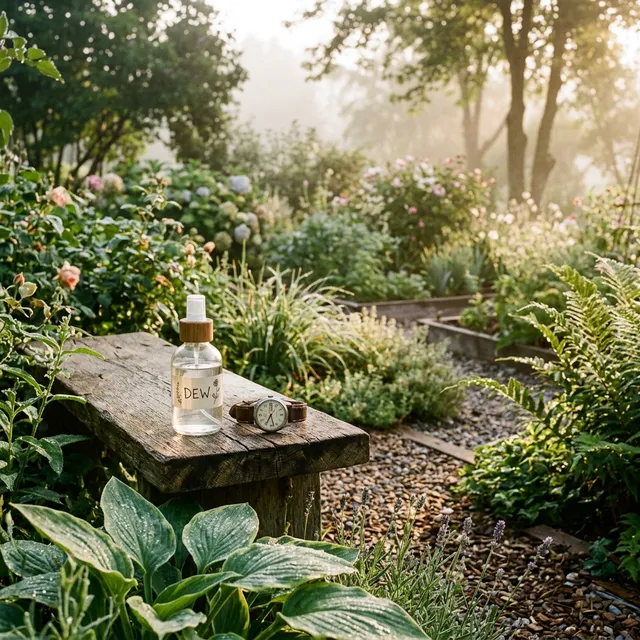
Garden Soap Team buying notes
Timing failures look like product failures. Another bottle does not add residual hours to a contact film.
- When DIY is enough: Soft-bodied pests on hydrated foliage in the 50–75°F window are a 1% castile mix at dawn. Buy a labeled residual (neem) or a different chemistry (Bt, spinosad) when the pest shrugs off contact — not a “all-day garden spray” soap.
- Soft water vs hard water: Hard tap water plus a rushed midday mix is scum that dries before it wets the underside. Distilled water is cheaper than a second brand that “works in any weather.”
- Plant sensitivity: Heat-stressed, wilted, or newly transplanted plants burn. Skip the pass. Safety: plant safety.
- Concentration: Do not raise the percentage because yesterday was hot and the film evaporated. Fix the clock, not the rate.
Listing checks before you buy
A listing that promises “works in sun” or “protects for weeks” is usually not potassium-salt soap.
- Contact-only soap. If the label is fatty-acid salts, the film dies when it dries. There is no weatherproof SKU in this chemistry.
- Neem / oil add-ins. Residual or mildew help — evening only, heat-sensitive. Compare: insecticidal soap vs neem oil.
- Sprayer. Fine mist you will actually carry at 6–9 AM. A 4-gallon cart you never fill is a missed hatch. Gear: best garden sprayers.
- Skip: “24-hour protection” soap titles, dish-detergent garden RTUs, and any bottle that wants you to spray open blooms at noon.
If a correctly timed pass still misses, diagnose coverage and pest ID on insecticidal soap not working before another cart click.
How to time a pass around weather, not the calendar
Soap has no residual. The only hours that count are the ones the film stays wet on the insect.
- Mix fresh. 1 tablespoon unscented castile per quart. The bottle this desk uses here is pure castile soap. Why not Dawn: best soap for insecticidal spray.
- Check the window before you fill the tank. 40–85°F, no rain for 2–3 hours, wind under 10 mph, plants hydrated and not wilting, shade or early light on the target. Fail one box — wait.
- Dawn (6–9 AM) is the default. Evening after 6 PM if leaves can dry. Midday (10 AM–4 PM) is how gardeners buy leaf burn from a gentle film.
- Aim the hatch, not Saturday. Reapply day 4–5 and day 8–10 because eggs survive. A weekly calendar on empty foliage wastes mix and marks petals.
- Empty the pump sprayer the same day. Diluted soap is not next week’s concentrate.
Houseplant daypart (tub, then 24 hours out of a south window): insecticidal soap for indoor plants.
Pests whose hatch clock beats the daypart
| Pest | Clock that matters | Soap still misses |
|---|---|---|
| Aphids | Wingless clusters on new growth; reapply 3–5 days | Eggs on the next flush |
| Whiteflies | Underside nymphs; 3–4 cycles | Adults you scare into the next bed |
| Spider mites | Hot, dry weather; 3–4 day recheck | Drought you did not water |
| Soft caterpillars | Early instar, ingested leaf after a Bt decision | Hard-shelled beetles the same morning |
Identify before you rewrite the schedule: common garden pests.
Phytotoxicity when you ignore the clock
Most timing burns are heat, wilt, or wet nights, not a bad brand.
- Midday film on a drooping tomato. Fatty acids plus 90°F is a cook. Water first, soap another morning.
- Open flowers at bee hours. Skip blooms; spray stems and undersides. Cover a show bloom if you must treat foliage.
- Evening spray that stays wet all night. Minor fungal risk on dense foliage. Prefer dawn when mornings are humid.
- Rain two hours later. The film washed off. Respray when dry — do not raise the percentage to “stick.”
If a leaf bronzes within a day, rinse and drop back to 1 tablespoon per quart. Recovery steps: plant safety.
When to skip buying an all-day garden spray
- You already own castile and a sprayer and the miss was noon heat or a skipped underside. Fix the clock.
- The listing promises residual soap. That is a different active or fiction. Do not pay for hours this chemistry does not have.
- The pest is a beetle, slug, or soil cutworm. Timing will not make soap a hard-body tool. Escalate chemistry after ID: best organic pesticides.
- Transplants under two weeks or a wilted seedling. Skip the buy and the pass.
Research-labeled street prices move. A pump you will use at dawn beats a second RTU you will spray at lunch.
Buying criteria for timing gear
Shop the window, not a weatherproof soap.
- Soap: unscented castile or labeled potassium-salt concentrate — same film at 7 AM or 7 PM. Kitchen vs store: homemade vs commercial.
- Water: distilled if your tap makes scum that dries into spots before contact time is up.
- Sprayer: dedicated, fine mist, size you will actually fill on a cool morning. Houseplant shelf: best spray bottles.
- Not-soap SKUs: neem for residual after the knockdown day; Bt for caterpillars. Do not buy “timed-release insecticidal soap.”
Why Timing Matters
Insecticidal soap only works on direct contact, it has zero residual activity. Unlike synthetic pesticides that continue killing for days or weeks, soap spray must physically touch the insect to be effective. Once it dries, it’s inert.
This means getting the timing right is critical for:
- Maximum pest contact
- Minimum plant stress
- Protecting beneficial insects like bees and ladybugs
Best Time of Day
🌅 Early Morning (6-9 AM), Ideal
- Temperatures are cool (reducing phytotoxicity risk)
- Plants are fully hydrated from overnight moisture
- Many pests are less mobile and easier to hit
- Pollinators haven’t started foraging yet
- Spray has time to dry before intense midday sun
🌆 Late Evening (After 6 PM), Acceptable
- Cooling temperatures are plant-friendly
- Pollinators are returning to hives/nests
- Downside: Leaves stay wet longer overnight, slightly increasing fungal disease risk
☀️ Midday (10 AM - 4 PM), Avoid
- High temperatures amplify soap’s drying effect
- Direct sun can cause water droplet burn
- Peak pollinator activity, higher risk of harming bees
- Plants may already be heat-stressed
Best Season for Application
| Season | Pest Activity | Spray Recommendation |
|---|---|---|
| Early Spring | Aphid colonies forming | ✅ Best time to start, catch early infestations |
| Late Spring | Most pests active | ✅ Regular application schedule |
| Summer | Peak pest season | ⚠️ Spray early AM only due to heat |
| Fall | Declining activity | ✅ Treat late-season outbreaks |
| Winter | Dormant (outdoor) | ❌ Rarely needed outdoors; treat houseplants as needed |
Growth Stage Considerations
New Transplants, Wait 1-2 Weeks
Freshly transplanted seedlings are already stressed. The transplant shock makes them more vulnerable to soap burn. Wait until they’ve established new root growth before spraying.
Flowering Plants, Spray Strategically
During bloom:
- Don’t spray open flowers, soap can harm pollinators visiting blooms
- Do spray stems and leaf undersides, this is where pests hide
- Best approach: Cover blooms with a light cloth while spraying, then remove after the spray dries
Fruiting Plants, Check Harvest Timing
Insecticidal soap has a zero-day pre-harvest interval (PHI), meaning you can spray right up to the day of harvest. This is a huge advantage over synthetic pesticides. Just rinse produce before eating.
How to Read Pest Life Cycles
Understanding when pests are most vulnerable helps you time your sprays:
Aphids
- Most vulnerable: When wingless nymphs are clustered on new growth
- Spray when: You see curling leaves or sticky honeydew
- Reapply: Every 3-5 days (rapid reproduction cycle)
Whiteflies
- Most vulnerable: Nymph stage (immobile, on leaf undersides)
- Spray when: You see clouds of tiny white flies when shaking plants
- Reapply: Every 5-7 days for 3-4 cycles
Spider Mites
- Most vulnerable: All mobile stages
- Spray when: You notice fine webbing or stippled yellow leaves
- Reapply: Every 3-4 days (very rapid reproduction in hot weather)
For help identifying which pest you’re dealing with, check our Common Garden Pests Identification Guide.
The Reapplication Schedule
Since insecticidal soap has no residual effect, timing reapplication correctly is the key to success:
Week 1: First application (Day 1)
         Second application (Day 4-5)
Week 2: Third application (Day 8-10)
         Check for pests
Week 3: If pests remain → Day 14-15 application
         If clear → monitor weekly
Why Multiple Applications?
Soap only kills insects it touches. Eggs are not affected. You need to catch each new generation as it hatches:
- First spray, kills current adults and nymphs
- Second spray (4-5 days), catches newly hatched nymphs from eggs
- Third spray (8-10 days), catches any remaining stragglers
- Follow-up, only if monitoring shows continued activity
Weather Checklist Before Spraying
Before you mix your insecticidal soap solution, check these conditions:
- ✅ Temperature: 40-85°F
- ✅ Forecast: No rain for 2-3 hours
- ✅ Wind: Calm to light breeze (under 10 mph)
- ✅ Sun: Shade or indirect light on target plants
- ✅ Humidity: Below 90% (high humidity slows drying)
- ✅ Plants: Hydrated and not wilting
If any condition fails, wait for a better window. Effective pest control is better than rushed pest control.
Quick Reference Card
| Factor | Best | Okay | Avoid |
|---|---|---|---|
| Time | 6-9 AM | After 6 PM | 10 AM - 4 PM |
| Temp | 50-75°F | 40-85°F | Over 90°F |
| Wind | Calm | Light | Gusty |
| Rain | None for 3+ hrs | None for 2 hrs | Imminent |
| Plants | Hydrated | Normal | Wilting |
Got your timing down? Grab a proven recipe: Basic Castile Soap Spray or try the Neem Oil Insecticidal Soap for tougher pests. You’ll need pure castile soap and a decent pump sprayer to get started.
Common Questions
Is it safe to use this spray around pets and children? When used as directed, most homemade and commercial insecticidal sprays are much safer than synthetic alternatives. Always allow the solution to dry completely on the foliage before allowing pets or children back into the area.
How often should I reapply the treatment? For active infestations, applying every 4 to 7 days is generally recommended until the problem is under control. Once the pests are gone, you can reduce application to a bi-weekly preventative schedule.
Can I mix different garden treatments together? It is usually best to apply treatments separately unless explicitly directed by the manufacturer or the specific recipe. Mixing untested combinations can lead to unintended plant damage or reduced efficacy.
Frequently Asked Questions
What is the best time of day to spray insecticidal soap? ▼
Early morning (6-9 AM) is ideal. Temperatures are cool, plants are hydrated, and pollinators haven't started foraging yet. This gives the soap time to work before the heat of the day.
How often should I reapply insecticidal soap? ▼
Reapply every 4-7 days until you no longer see active pests. Insecticidal soap has no residual activity — it only works on contact, so you need to hit new hatchlings as they emerge.
Can I spray insecticidal soap in the rain? ▼
Wait for a dry window. Rain will wash the soap off before it can contact pests. Check the forecast and spray when you have at least 2-3 hours of dry weather ahead.
 ✓
✓ The Garden Soap Team writes every recipe and guide on this site. Formulas follow published horticultural guidance — university extension resources, the UC IPM program, and OMRI standards — and we cross-check concentrations and plant-safety warnings against documented gardener experience before publishing. No harsh chemicals, no guesswork passed off as expertise.
📚 Related Articles
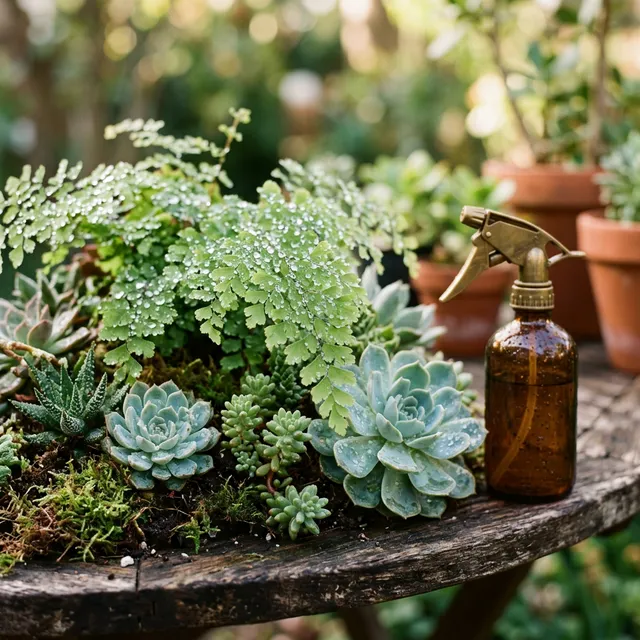 guides
Insecticidal Soap Plant Safety Guide
Insecticidal soap is gentle — but not on every plant. Learn which plants are sensitive, how to protect them, and safe application tips.
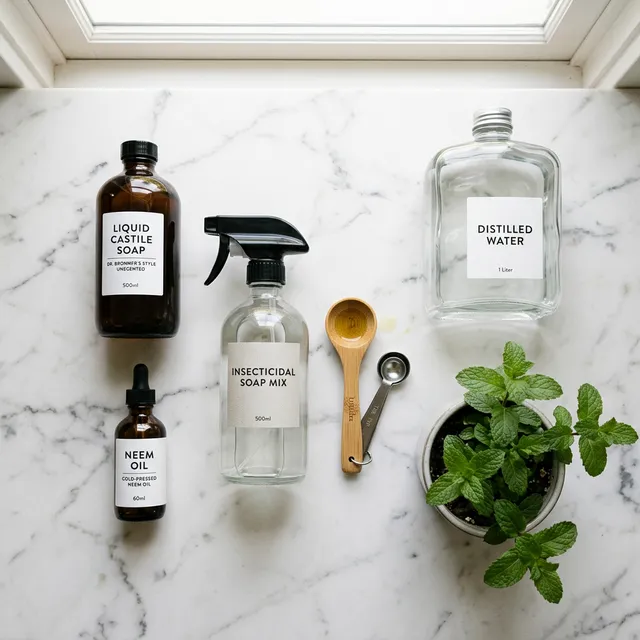 guides
How to Make Insecticidal Soap at Home
Core 3-ingredient method: 1 tablespoon unscented castile per quart, leaf-underside coverage, and the mixing mistakes that burn plants.
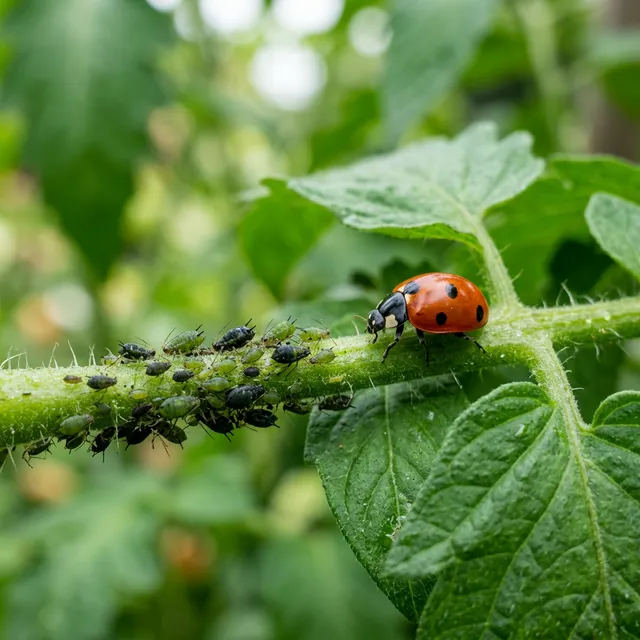 learn
learnCommon Garden Pests: Visual Identification Guide
Can't figure out what's eating your plants? Identify the 10 most common garden pests and learn which ones insecticidal soap can eliminate.